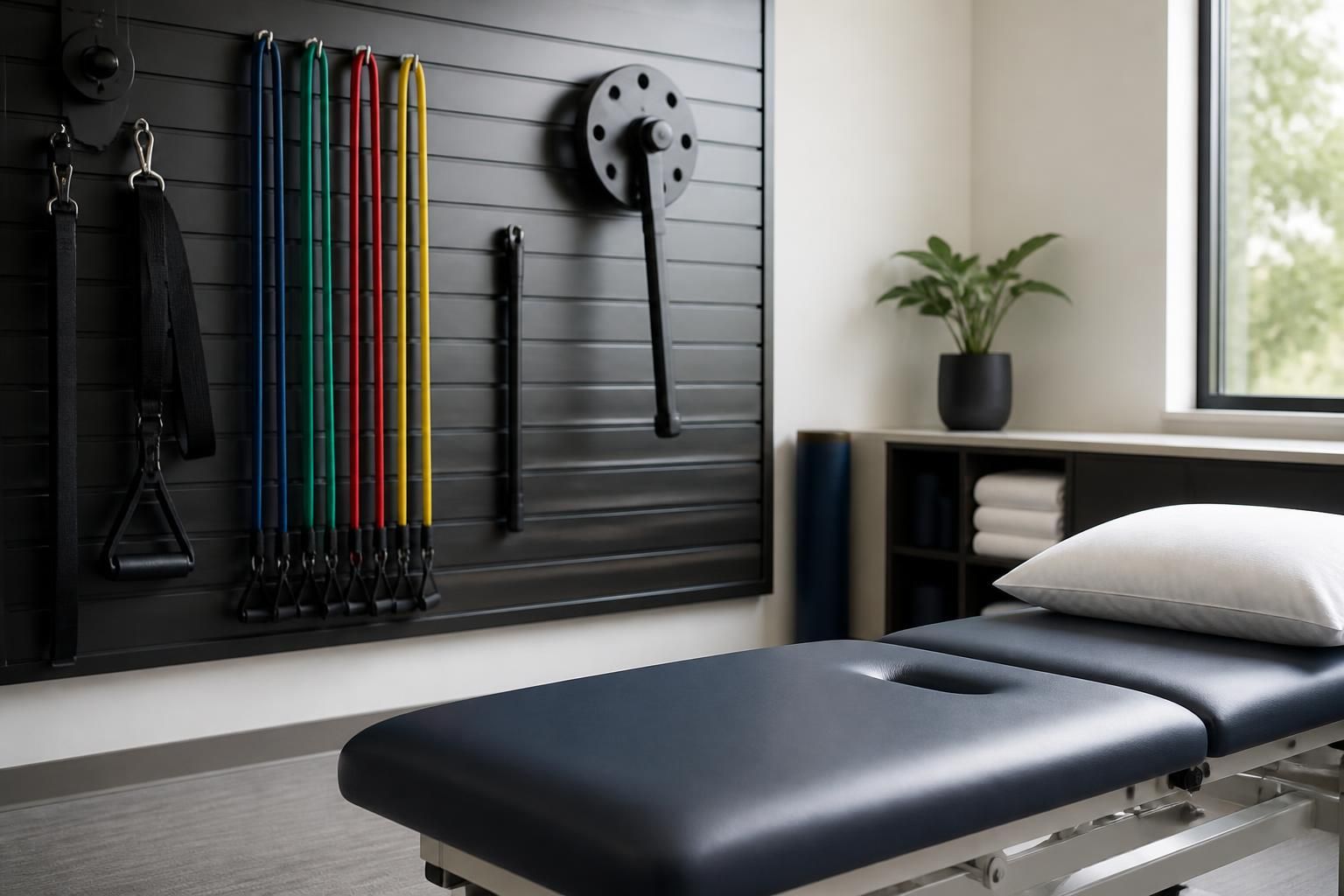
Shoulder pain can turn simple tasks into a daily struggle. Reaching for a seatbelt, lifting a bag, sleeping on one side, or taking something from a shelf may trigger sharp discomfort, stiffness, or a pinching sensation that keeps coming back.
If your shoulder feels weak, unstable, or slow to recover after an injury or surgery, Anchor Physical Therapy can help you take the next step. Our Shoulder Rehab care at our Tacoma, WA clinic is designed to reduce pain, restore range of motion, and rebuild the strength you need for work, sport, and everyday life.
Shoulder problems often show up in small ways first, then start affecting more of your day. The joint is involved in nearly everything you do with your arms, so even mild irritation can become hard to ignore.
Common reasons people seek Shoulder Rehab include:
When these problems linger, they can change the way you move and create new strain elsewhere. Shoulder Rehab helps you address the source of the problem while also retraining the shoulder to move with more control.
At Anchor Physical Therapy, your care starts with a clear look at how the shoulder is moving, what aggravates it, and what goals matter most to you. From there, we build a plan around the cause of your pain, your current mobility, and the demands of your routine.
Shoulder Rehab may focus on:
We do not take a one-size-fits-all approach. A shoulder that is stiff after surgery needs a different plan than a shoulder that aches from overuse or repeated strain. We shape care to match the problem, not just the pain.
Shoulder Rehab can support many different causes of pain and limited motion. Some problems come on quickly after a fall or sports injury. Others build slowly over time from repeated stress, weakness, or compensation.
We frequently work with people dealing with:
Shoulder pain often involves more than the joint itself. Tight chest muscles, limited thoracic motion, or poor shoulder blade control can all add stress to the area. Our rehab process looks at those movement patterns so we can address what is driving the pain instead of chasing symptoms alone.
Your first visit is about understanding your shoulder and your goals. We listen to how the pain started, what makes it better or worse, and what activities you want to get back to. Then we assess movement, strength, and tolerance to guide the plan ahead.
Some visits may emphasize hands-on care to ease restriction and reduce tension. Others may focus more on exercise and movement retraining. Many patients benefit from a combination of both.
Shoulder Rehab works best when each part of the plan supports the others. That can include specific exercises, guided movement practice, and techniques that help the shoulder tolerate load again.
Manual therapy can help address stiffness, discomfort, and movement restrictions that keep the shoulder from opening up. This may be especially useful when the joint feels guarded or when motion is limited after injury or surgery.
We use targeted exercises to rebuild strength and improve shoulder control. These often begin with simple, manageable movements and gradually become more demanding as pain and motion improve.
Shoulder health depends on the way the shoulder blade, upper back, and arm work together. Balance training and control-based drills help the shoulder respond better during daily tasks and sport-specific motion.
Recovering from shoulder surgery can feel frustrating when basic movement is slow to return. Stiffness, weakness, and hesitation are common during healing, especially when you are unsure how much to do or when to push forward.
Shoulder Rehab after surgery focuses on safe progression. We help you regain motion, reduce guarding, and rebuild strength without moving too fast or doing too much too soon. The plan is adjusted to your stage of recovery so each step supports the next one.
This kind of rehab can be useful after procedures that affect movement, lifting ability, or stability. If your shoulder feels protected, tight, or difficult to trust after surgery, structured therapy can help restore confidence as well as motion.
Many people come to Shoulder Rehab because they want to get back to something specific. That may be lifting at work, training at the gym, swimming, throwing, gardening, or simply sleeping through the night without waking up from pain.
We help prepare the shoulder for real-life demands by gradually increasing the challenge. Instead of stopping at basic pain relief, we work toward the strength, endurance, and coordination needed for the tasks you actually do.
That progression often includes:
This is where rehab becomes more than symptom relief. It becomes the bridge from healing back to normal movement.
People throughout Tacoma, WA come to our clinic when shoulder pain starts limiting work, exercise, or rest. At Anchor Physical Therapy, we provide care that is personal, practical, and focused on measurable progress.
Our approach is especially helpful if you want treatment that feels clear and steady. We explain what we are seeing, why the shoulder is reacting the way it is, and how each part of the plan supports recovery. That makes it easier to stay engaged and know what to expect as you improve.
Located at 1407 E 72nd St a100, Tacoma, WA 98404, our clinic is convenient for people who want straightforward shoulder care close to home. If you are ready to move with less pain and more control, we are here to help you get started.
If pain, stiffness, or weakness keeps showing up during reaching, lifting, sleeping, or exercise, Shoulder Rehab may help. Persistent symptoms are a good sign that the shoulder needs a more focused plan.
Yes. Shoulder Rehab can address pain, instability, and loss of motion after sports-related strain. The plan can also prepare the shoulder for the demands of returning to your activity.
Stiffness alone can still be a sign that the shoulder needs attention. Limited motion can affect how the joint loads and may lead to compensation elsewhere, so improving mobility can be an important part of care.
Yes. Ongoing shoulder pain often involves more than one issue, such as weakness, movement restriction, or repeated irritation. Rehab can address those patterns and help reduce the cycle of flare-ups.
That depends on the cause of the problem, how long it has been present, and what kind of recovery is needed. Some people improve quickly once the right movements are introduced, while others need a steadier progression.
Yes. A major goal of Shoulder Rehab is helping you return to the everyday movements that matter most, whether that means dressing, driving, working, lifting, or exercising with more confidence.
Shoulder pain does not have to keep controlling your routine. With focused Shoulder Rehab at Anchor Physical Therapy, you can work toward better movement, stronger support, and a clearer path back to the activities you want to do.
If you are ready to take the next step, our Tacoma, WA clinic is here to help you begin with a plan built around your shoulder, your symptoms, and your goals.
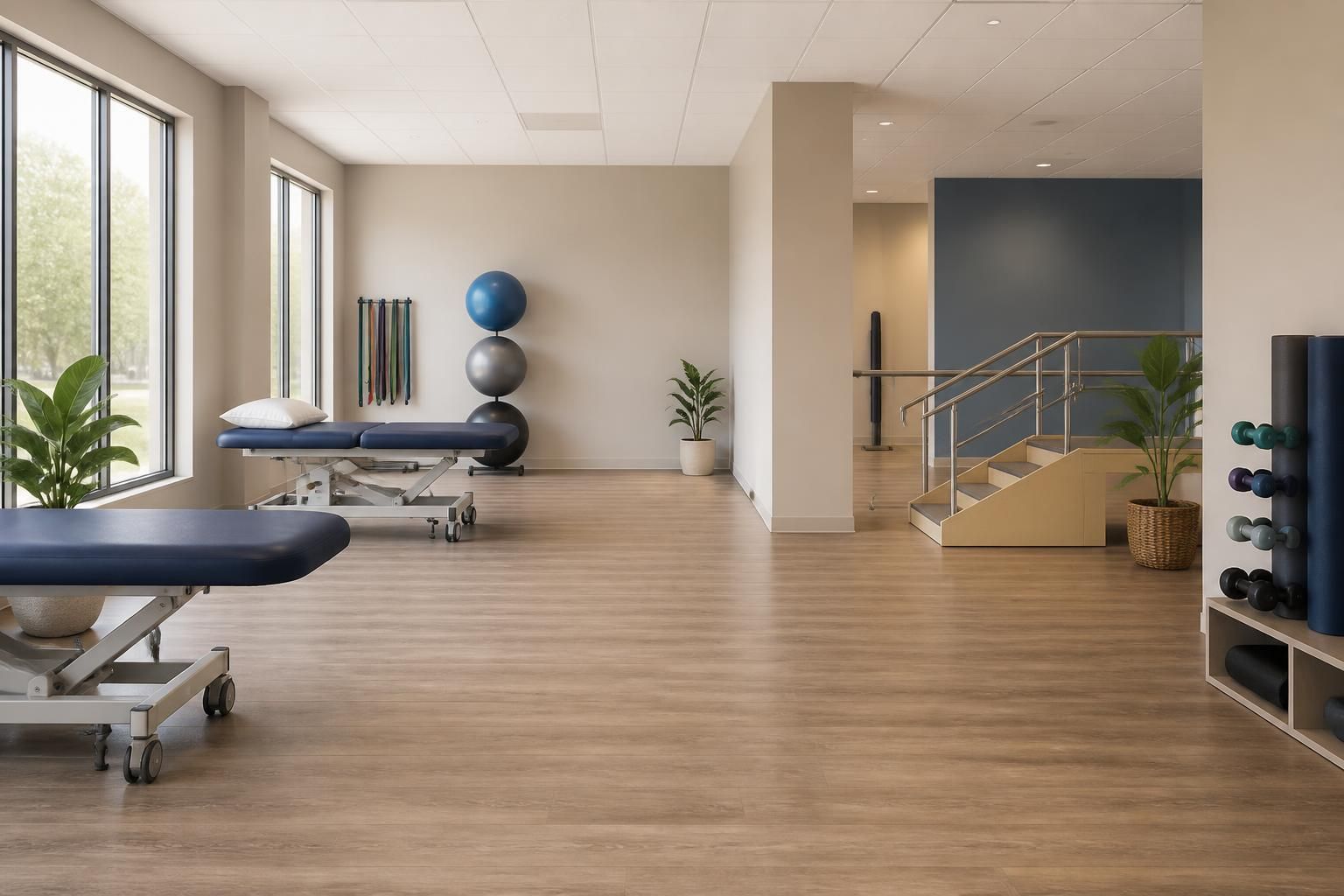
Start Your Recovery
Tell us what hurts, how long it has been affecting you, and what you want to get back to doing. We will help guide you toward the right therapy approach for your needs.