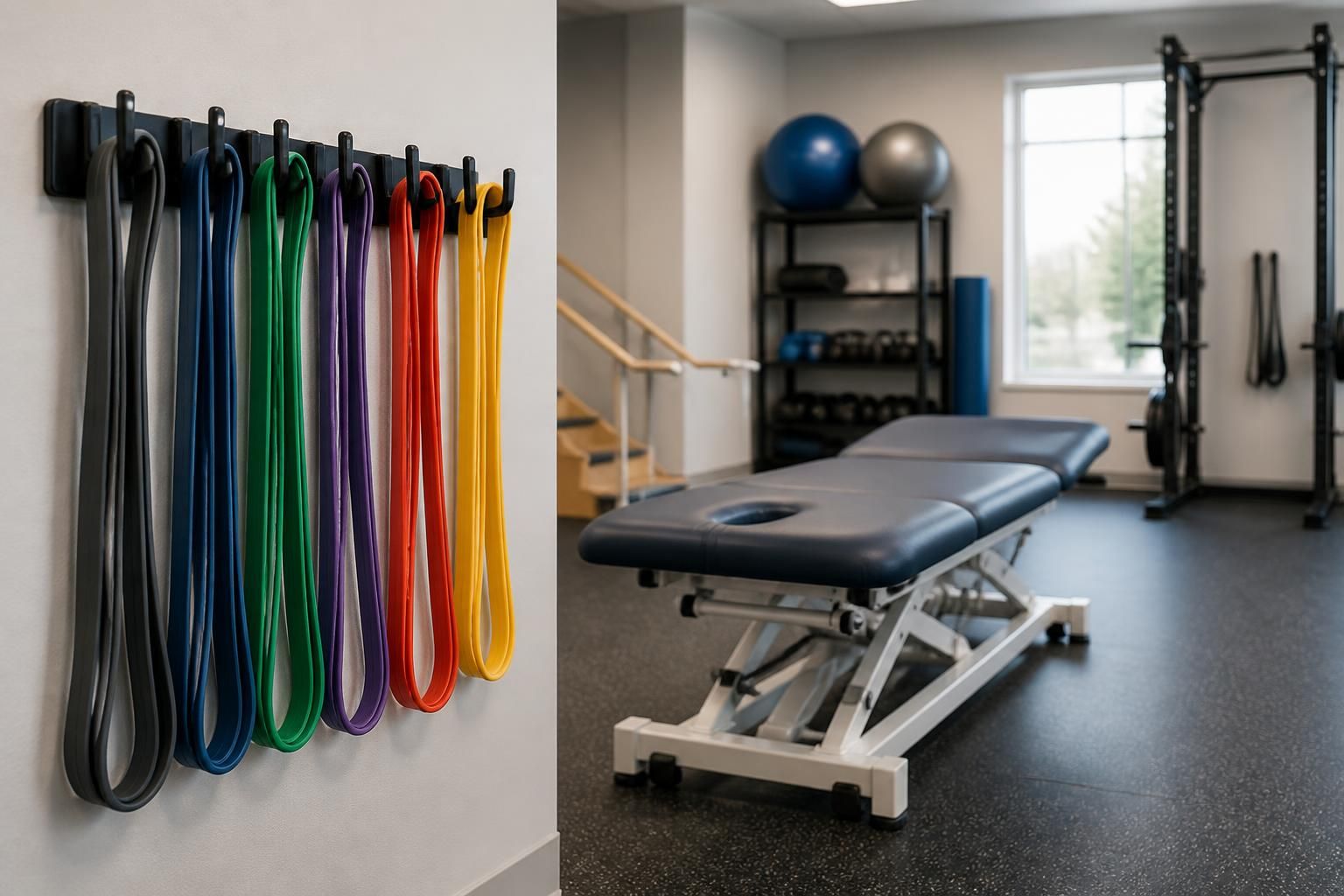
Joint pain, stiffness, weakness, and a movement pattern that just does not feel like yourself can make simple tasks frustrating. If you are having trouble reaching overhead, climbing stairs, bending, turning, or getting back to exercise, orthopedic rehabilitation can help you move with more control and less pain.
At Anchor Physical Therapy in Tacoma, WA, we create a plan around the way your body is actually responding right now. Whether you are recovering after surgery, dealing with a lingering sports injury, or trying to calm back, shoulder, or neck pain, we focus on the cause of the limitation and the next step that helps you progress.
Orthopedic rehabilitation focuses on muscles, joints, tendons, ligaments, and movement patterns after injury, surgery, or periods of pain and inactivity. The goal is not just to feel a little better for a day. It is to restore strength, mobility, balance, and confidence so normal activity feels manageable again.
At Anchor Physical Therapy, we use a hands-on, movement-based approach that matches your current needs. Some people arrive after a recent procedure and need help safely rebuilding range of motion. Others have been living with pain for months and want a clear path back to walking, lifting, working, or returning to sport.
Many people wait until pain becomes hard to ignore. Orthopedic rehabilitation can be useful earlier, especially when movement starts changing your routine. If you keep compensating, other areas often begin to work harder, which can add new discomfort.
If any of that sounds familiar, a focused rehabilitation plan can give you structure and direction rather than guesswork.
Your care should reflect the problem, the tissue involved, and the demands of your day. At Anchor Physical Therapy, we start by learning how the injury or surgery is affecting movement, where you feel limited, and what activities matter most to you in Tacoma, WA.
The first step is understanding how you move, where your strength is reduced, and what motions trigger pain or hesitation. That evaluation helps guide the plan instead of relying on a one-size-fits-all approach.
Manual therapy may be used to help reduce stiffness and improve motion where joints or soft tissue are holding you back. This can make exercise easier to perform and more useful.
Targeted exercise is a key part of orthopedic rehabilitation. We build from where you are, then progress load, balance, coordination, and control as your body tolerates more.
Post-surgical recovery often requires patience, structure, and careful progression. The goal is to protect healing tissue while restoring the movement and strength needed for daily life. We help you work through the early stages without overdoing it, then advance the plan as your body is ready.
Depending on your recovery stage, we may focus on reducing stiffness, improving range of motion, rebuilding muscle control, and gradually returning you to the tasks your procedure interrupted. That can include stairs, getting dressed, walking longer distances, or returning to work duties.
Because each surgery has its own timeline and restrictions, the rehabilitation plan is matched to your status rather than pushed forward too quickly.
Sports injuries and repetitive strain problems often involve more than one area of the body. A sore shoulder, knee, or back may also reflect weakness, movement compensation, or poor load tolerance. That is why a careful rehab plan matters.
Orthopedic rehabilitation can help with return-to-sport preparation by improving the qualities that sports demand most:
We also help people who are active but not competing. If your body aches after tennis, lifting, running, yard work, or long workdays, you still need a plan that respects the load you put on it.
Back pain, neck pain, and shoulder pain are among the most common reasons people seek orthopedic rehabilitation. These areas often affect more than one task at a time, from sleeping and driving to reaching, carrying, and working at a desk.
A good plan looks beyond the painful spot alone. For example, shoulder pain may involve stiffness, poor scapular control, or weakness that changes how the arm moves. Back and neck symptoms may be influenced by posture, mobility, or how the core and hips share the load.
At Anchor Physical Therapy, we help you understand what is contributing to the pain and what changes can make daily movement feel more manageable.
Many people want to know what actually happens during treatment. A visit is usually active, focused, and practical. You should leave with a better sense of what your body needs and what to do next.
The plan is adjusted as you improve. That matters because rehabilitation is not meant to stay fixed. It should evolve as your strength, mobility, and confidence change.
Progress is more than pain relief. We look at whether you are moving with more ease, recovering faster after activity, and regaining trust in the body part that used to hold you back.
Markers of progress may include better range of motion, improved balance, less compensation, stronger force production, and a smoother return to the activities that matter to you. We also pay attention to how your symptoms respond after treatment and between visits. That helps us know whether to keep building, back off, or shift direction.
If you have been frustrated by stop-and-start improvement, structured orthopedic rehabilitation can help turn that into steady gains.
That depends on the injury and how much irritation is present. Starting early can help guide safe movement, but the right timing should be based on what your body is tolerating and what your provider recommends.
No. Many people begin orthopedic rehabilitation before surgery is ever considered. It can also be useful after a procedure, depending on your recovery needs and goals.
Yes. Even long-standing pain can improve when the focus is on mobility, strength, movement patterns, and graded exposure to the activities that trigger symptoms.
That is common. We start with the amount of movement your body can handle, then build from there so you can regain confidence without feeling pushed too fast.
No. Exercise is important, but manual therapy, movement assessment, and education also play a role. The combination depends on your goals and what is limiting progress.
Absolutely. Orthopedic rehabilitation is often about normal life tasks like walking, lifting, reaching, dressing, and getting through the workday with less discomfort.
If pain, stiffness, or weakness is getting in the way of daily life, Anchor Physical Therapy is ready to help you take the next step. Our orthopedic rehabilitation services are built for people who want clear guidance, steady progress, and a plan that fits real movement demands.
Visit us at 1407 E 72nd St a100, Tacoma, WA 98404, USA, or call +12533190609 to get started. You can also reach us by email at contact@reputationguru.net. We are open Monday through Thursday from 8:00 AM to 6:00 PM and Friday from 8:00 AM to 5:30 PM.
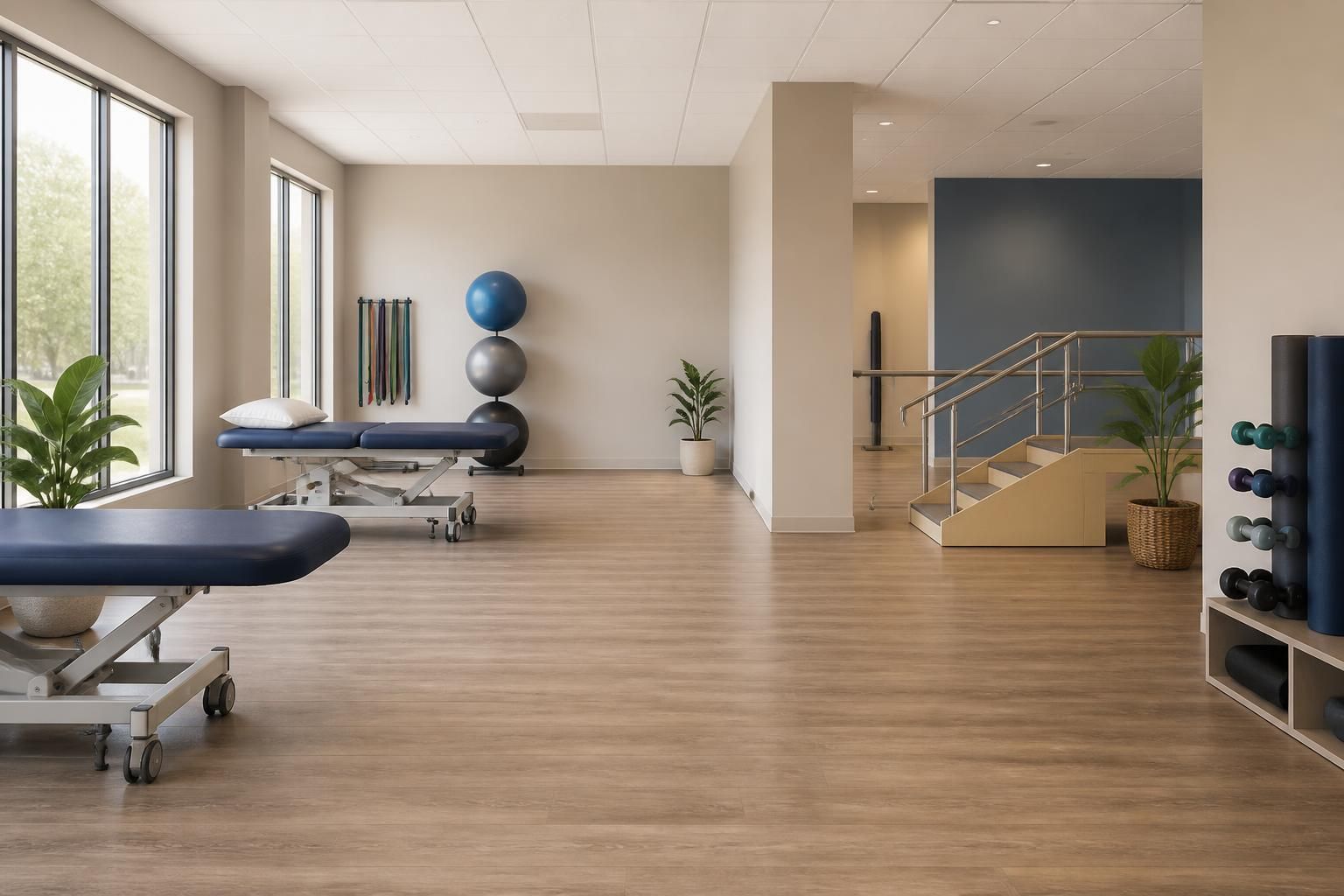
Start Your Recovery
Tell us what hurts, how long it has been affecting you, and what you want to get back to doing. We will help guide you toward the right therapy approach for your needs.