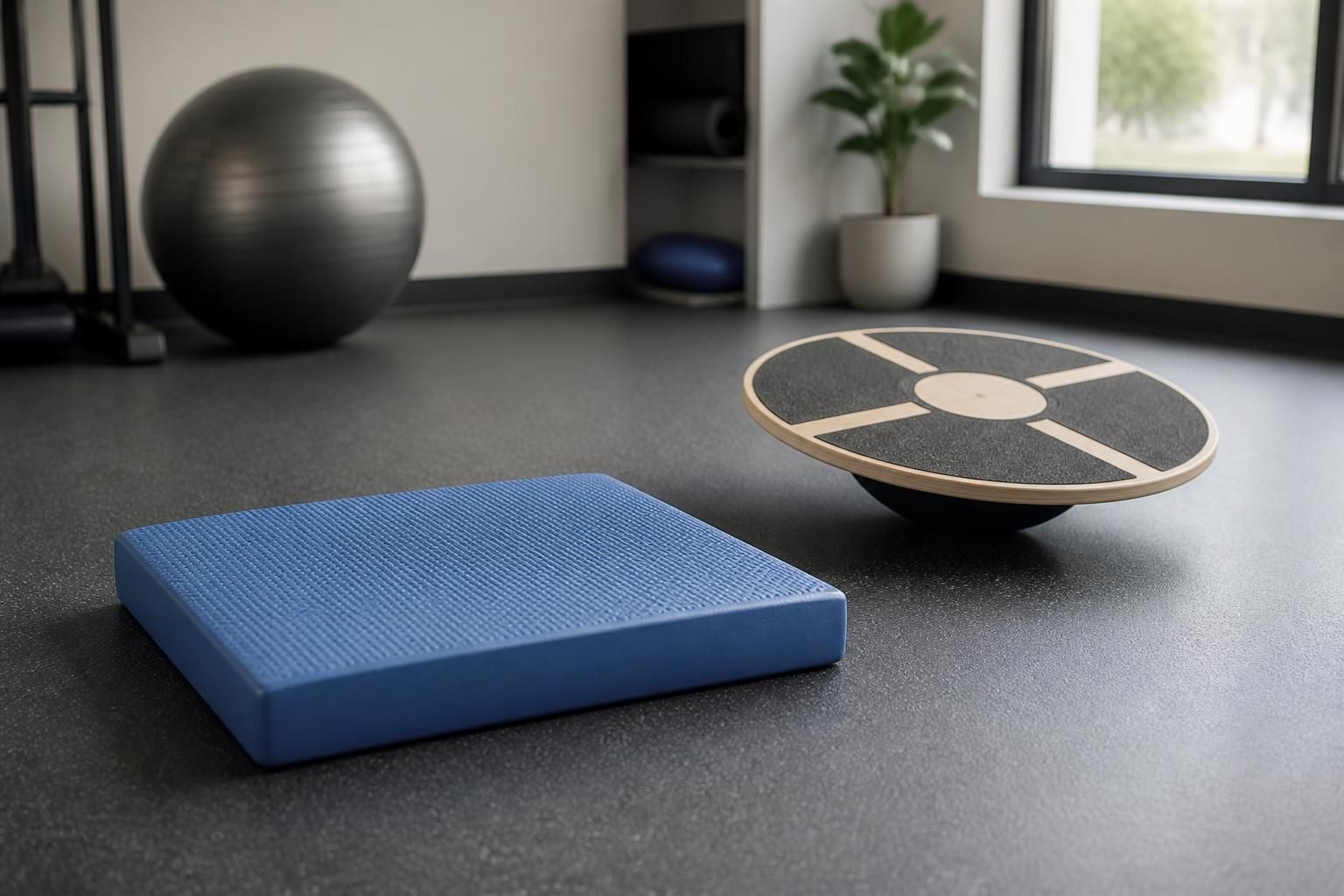
If you feel unsteady when you stand, turn, walk, or get up from a chair, everyday movement can start to feel stressful. Maybe you have noticed near-falls, slower steps, or hesitation on stairs, and now you are trying to avoid another setback.
Balance training at Anchor Physical Therapy gives you a practical next step. We look at how you move, what feels unstable, and which activities are hardest, then build care that helps you feel more secure during daily life in Tacoma, WA.
Balance problems can show up in subtle ways before they become obvious. Some people notice a wider stance while walking. Others hold onto walls, furniture, or railings more often. A few feel fine at rest, then struggle when they change direction, bend, or move on uneven ground.
That uncertainty can make you less active over time. When you avoid movement, strength and confidence can drop even more. Balance training helps interrupt that cycle by working on control, awareness, and reactions that support safer motion.
At Anchor Physical Therapy, we begin by learning how balance challenges show up for you. The goal is not to guess. The goal is to understand what is limiting your steadiness so treatment can match your needs.
This evaluation helps us decide where to start and which exercises will challenge you without pushing too far too soon.
Balance training is not one exercise repeated over and over. It is a structured mix of movement practice that helps your body adapt to different positions and demands. Each visit is shaped around what you can do now and what you need to do more safely.
We may start by helping you move your weight with more control from side to side, forward and back, or through step patterns. These drills teach your body how to stay centered while moving.
Quick, controlled steps can improve your response when you feel off balance. We use stepping work to build reaction time and confidence during changes in direction.
Some people do well on flat, predictable ground but feel unsure elsewhere. We can progress training so your body learns to adapt to different footing and movement demands.
We connect balance work to real tasks such as standing from a chair, walking through a doorway, or turning without losing control. That makes your progress easier to use outside the clinic.
Your plan should feel clear from the start. During balance training, we explain what each exercise is doing and why it matters. You are not left guessing about the purpose of a drill.
We ask about falls, near-falls, dizziness history if relevant, activity limits, and which movements feel most unstable.
We observe how you stand, walk, turn, and transition between positions so we can see where control breaks down.
We select exercises that address the main problem areas first, then progress them as your steadiness improves.
Each session gives you feedback, repetition, and progression so your body can learn safer habits over time.
Anchor Physical Therapy keeps the process practical. The work should feel challenging, but it should also feel relevant to the things you want to do with more confidence.
Balance training can help many people who want to move more securely. Some are recovering from injury or surgery. Others are trying to stay active while managing ongoing pain or weakness. Some simply want to feel steadier during normal daily tasks.
If balance problems have started to change how you plan your day, training can give you a steadier path forward.
Progress often comes through small wins. You may first notice that you need less support while standing. Later, turning may feel smoother, or stairs may feel less intimidating. Those changes matter because they reflect better control, not just stronger muscles.
We also pay attention to how your body responds after each session. If one exercise feels too easy, we move it forward. If something feels too demanding, we scale it to keep you challenged while still safe and manageable. The aim is steady progress that you can actually use.
For some people, balance training pairs well with manual therapy, orthopedic rehabilitation, or back pain treatment when pain or stiffness affects movement quality. The right mix depends on your goals and what your body needs most.
Getting care close to home matters when you are already trying to protect your energy and confidence. Anchor Physical Therapy serves Tacoma, WA with personalized physical therapy, massage therapy, manual therapy, and rehabilitation services that support recovery from a wide range of movement problems.
Our location at 1407 E 72nd St a100, Tacoma, WA 98404, USA is convenient for people looking for focused care and a welcoming setting. If balance concerns have made you more cautious than you want to be, we can help you work toward steadier movement with a plan built around your routine.
When you are ready to take the next step, balance training can help you move with more trust in your body and more comfort in daily life.
Balance training targets control, coordination, strength, and reaction time. It helps your body handle standing, walking, turning, and shifting weight with more stability.
General exercise can improve fitness, but balance training is more specific. It focuses on the movement skills that help reduce unsteadiness during real activities.
Yes. Many people need help rebuilding control after surgery, especially if walking, standing, or changing positions feels uncertain during recovery.
That is common. We choose exercises carefully, progress them step by step, and focus on movements that build confidence without rushing the process.
No. Depending on your needs, it may include sitting, standing, stepping, reaching, and transition work so your training matches daily life demands.
If you are noticing near-falls, hesitation while walking, or less confidence with stairs and turns, it is a good time to be evaluated and begin a plan.
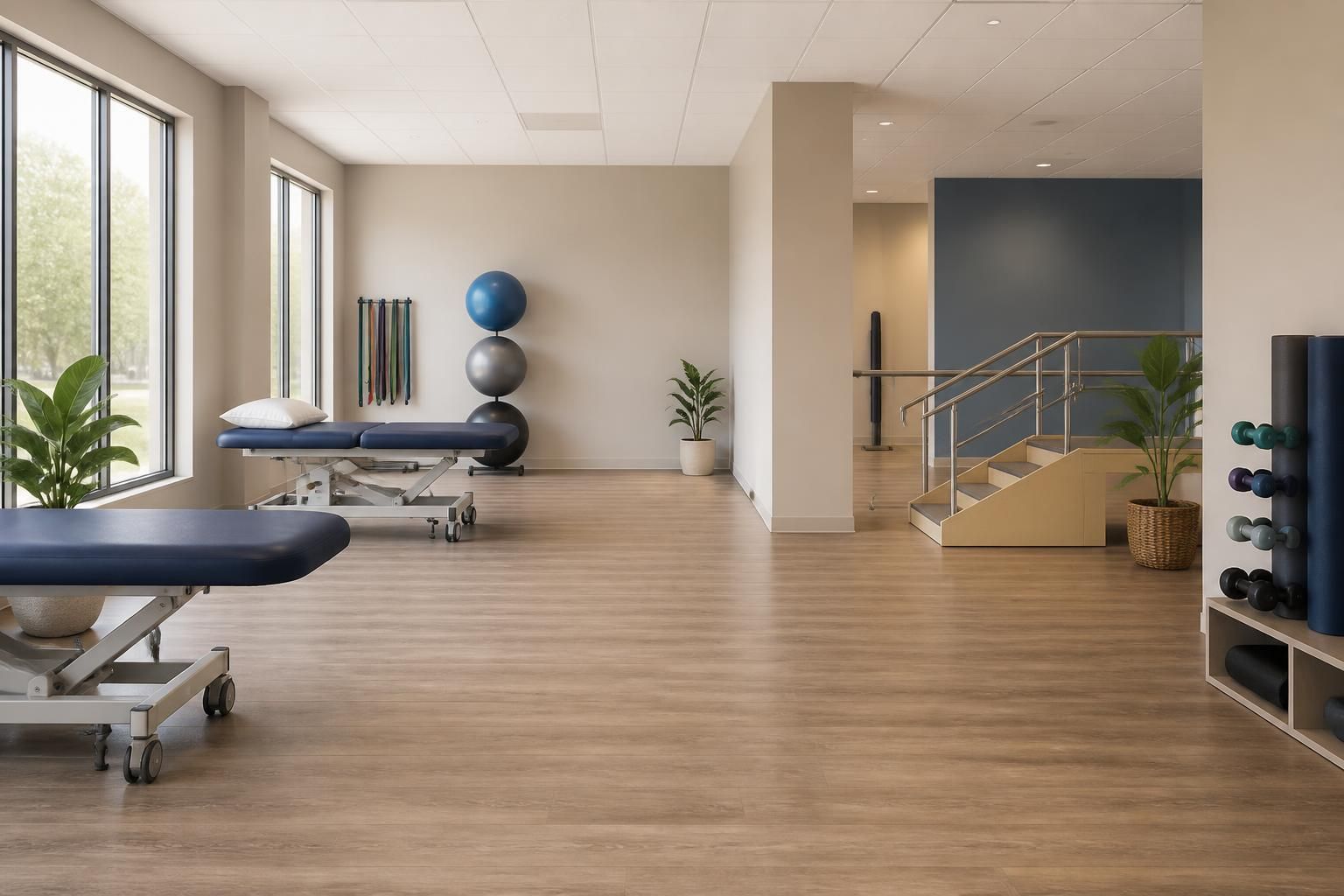
Start Your Recovery
Tell us what hurts, how long it has been affecting you, and what you want to get back to doing. We will help guide you toward the right therapy approach for your needs.